The easiest way to avoid overloading a septic system with laundry is to spread loads throughout the week instead of washing everything at once. Avoid running several large loads back-to-back, use the washer's water-saving settings when they make sense, and keep an eye on other water use in the house. These habits usually work well because they help prevent sudden increases in wastewater flow. For homeowners who need expert septic cleaning in Los Angeles, regular professional care can also help catch septic problems that everyday laundry habits cannot fix.

Why Too Much Laundry Can Affect a Septic System
Laundry uses a lot of water. That water leaves the washing machine, moves through the plumbing system, and eventually enters the septic tank.
One load by itself usually isn't the main concern. The problem can come when several large loads are done within a short period.
Think about a Saturday when the washer runs all morning. Then there are showers, dishes, toilet use, and other water activities happening at the same time. All that wastewater has to move through the septic system. That is why wastewater flow matters.
The septic tank needs to receive and hold wastewater, while the drain field handles the liquid that leaves the tank. A sudden jump in water use can put extra demand on both parts of the system.
What Can Add to the Strain?
Several things can affect how much wastewater a septic system has to handle:
The number of people living in the home
The size and design of the septic tank
The efficiency of the washing machine
Other household water use
The condition of the septic system
The condition and capacity of the drain field
There is no need to panic every time the washing machine runs. The bigger issue is repeated heavy water use without giving the system a chance to handle the normal flow.
How Many Laundry Loads Can You Do Without Overloading the System?
There is no magic number of laundry loads that works for every septic system. Any advice saying every household should stick to one exact number is too simplistic.
A small household with a modern efficient washer may use much less water than a large family doing several loads with an older machine.
The practical limit depends on:
Household size
Septic tank size
Washing machine efficiency
Daily water consumption
Septic system condition
Drain field capacity
So, instead of counting loads alone, look at the bigger picture.
If the washer is running constantly while several people are showering and the dishwasher is also running, the total wastewater load is much higher.
Spread Laundry Loads Throughout the Week
This is one of the simplest habits that usually works.
Instead of saving every dirty shirt, towel, and bedsheet for one giant laundry day, spread the loads over several days. There is no complicated septic trick involved. It is simply a better way to manage water flow.
For example, a household with six loads per week could wash one or two loads on different days instead of running all six on Saturday.
That approach can help avoid a sudden surge of wastewater.
Another useful habit is checking what else is happening in the house. If several people have just taken showers, it may make sense to wait before starting another large laundry load.
What Often Fails?
Trying to finish all household laundry in one day is not always the best approach for a septic home.
It may save time, but it can also create a concentrated period of heavy water use. The same applies to running multiple full loads simply because the washer is already on.
Doing more laundry in fewer sessions is not automatically more septic-friendly. The amount of water used and how quickly it enters the system matter too.
Use Your Washing Machine Efficiently
The washing machine itself can make a difference.
Start with the load size. A washer that is barely full may waste water if several small loads are being run unnecessarily. On the other hand, stuffing the machine completely full is not a good solution either. Clothes need enough room to move properly.
Use an appropriate cycle for the type and size of the load. If a water-saving option works for the clothing being washed, it can be a useful choice.
Extra rinse cycles are another thing to watch. They may be useful in certain situations, but running them every time when they are not needed simply sends more water down the drain.
A little common sense goes a long way here.
Avoid Doing All Household Laundry at Once
Doing all the laundry on one day feels efficient. For a septic system, though, that may not be the smartest routine.
Consider a home that normally does eight loads each week. Running all eight within a few hours creates a much larger wastewater flow than spreading those loads across several days.
A better routine could be two loads on Monday, one or two on Wednesday, and another couple of loads later in the week.
There is no need to follow that exact schedule. The point is to avoid creating a huge wastewater spike when it can easily be avoided.
Watch Your Home's Total Water Usage
Laundry gets most of the attention, but it is only one source of wastewater.
Showers, baths, toilets, sinks, dishwashers, and other appliances all add water to the septic system. Looking only at laundry can therefore miss the real issue.
For example, running two laundry loads may not be a big deal on a quiet water-use day. But two loads combined with long showers, several baths, multiple dishwasher cycles, and other heavy water use create a different situation.
A few simple habits can help:
Fix leaking faucets and plumbing fixtures.
Avoid unnecessary long showers.
Do not run appliances that use water without a reason.
Spread major water-using activities when practical.
Use efficient settings on newer appliances.
Pay attention to sudden changes in water use.
The goal is not to stop using water. It is to avoid unnecessary bursts of heavy wastewater flow.
Signs Your Septic System May Be Struggling With Excess Wastewater
Sometimes a septic system gives warning signs before a bigger problem develops.
Look out for:
Slow drains
Sewage odors
Sewage backups
Standing water near the drain field
Unusually wet or soggy areas around the septic system
Drains or toilets behaving differently than usual
These signs do not automatically mean that laundry is causing the problem. A clogged pipe, full septic tank, drain field issue, or another plumbing problem can create similar symptoms.
That is why repeatedly changing your laundry schedule may not solve the problem if warning signs are already present.
Simple Laundry Habits for Septic System Owners
A simple routine is often easier to follow than a long list of complicated septic rules.
Spread laundry loads across the week.
Avoid several large loads back-to-back.
Choose the correct load size.
Use water-efficient cycles when appropriate.
Skip unnecessary extra rinse cycles.
Keep an eye on showers, dishes, and other water use.
Fix household leaks promptly.
Keep up with routine septic maintenance.
Do not ignore slow drains, odors, or backups.
What usually works is consistency. There is no need to completely change how the household uses water. Small changes made regularly are much easier to maintain.
When Should You Contact a Septic Professional?
If slow drains, sewage odors, backups, standing wastewater, or unusually wet areas keep appearing, it is time to look beyond laundry habits.
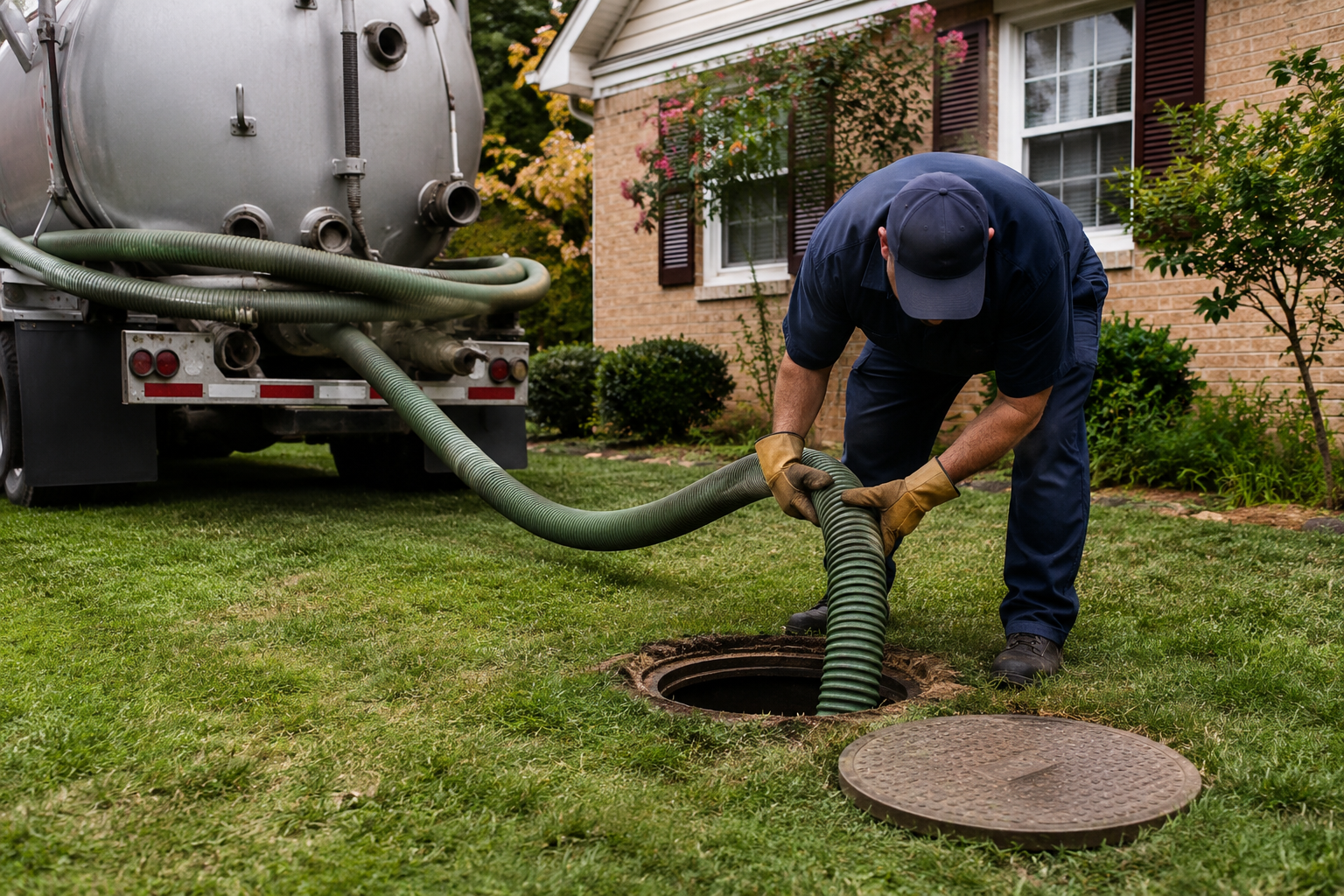
A septic professional can inspect the system and determine whether it needs pumping, cleaning, maintenance, or another type of repair.
Professional service should be based on the actual condition of the system. Calling for unnecessary work every time the washer runs is not helpful. At the same time, ignoring repeated warning signs can allow a small issue to become more difficult to deal with.
The right approach is to investigate unusual changes instead of guessing at the cause.
Conclusion
Doing laundry with a septic system does not need to be complicated. Spread loads throughout the week, avoid several large loads in a row, use the washing machine efficiently, and pay attention to total household water use. These habits can help keep wastewater flow more manageable and reduce unnecessary strain on the septic system. Regular maintenance also matters, especially when warning signs appear. Rooter Man Septic Tank Pumping can help homeowners address professional septic pumping, cleaning, inspection, and maintenance needs when those services are actually required.

Write a comment ...