
An inspector opens the tank, measures the sludge and scum layers, checks the liquid level, and compares all that to how much space the tank actually has left. That's it. No guesswork, no magic. If the numbers show the tank is filling up fast, pumping gets scheduled. If not, it can wait. Simple concept, but a lot of homeowners never get a straight explanation of how it actually works.
For homeowners in Ventura County, septic tank pumping and cleaning in Moorpark, CA usually starts with this exact process. An inspection isn't just poking around and hoping something looks wrong. It's a check-up, and honestly, it's the only real way to know what's going on underground.
What Is a Septic Tank Inspection?
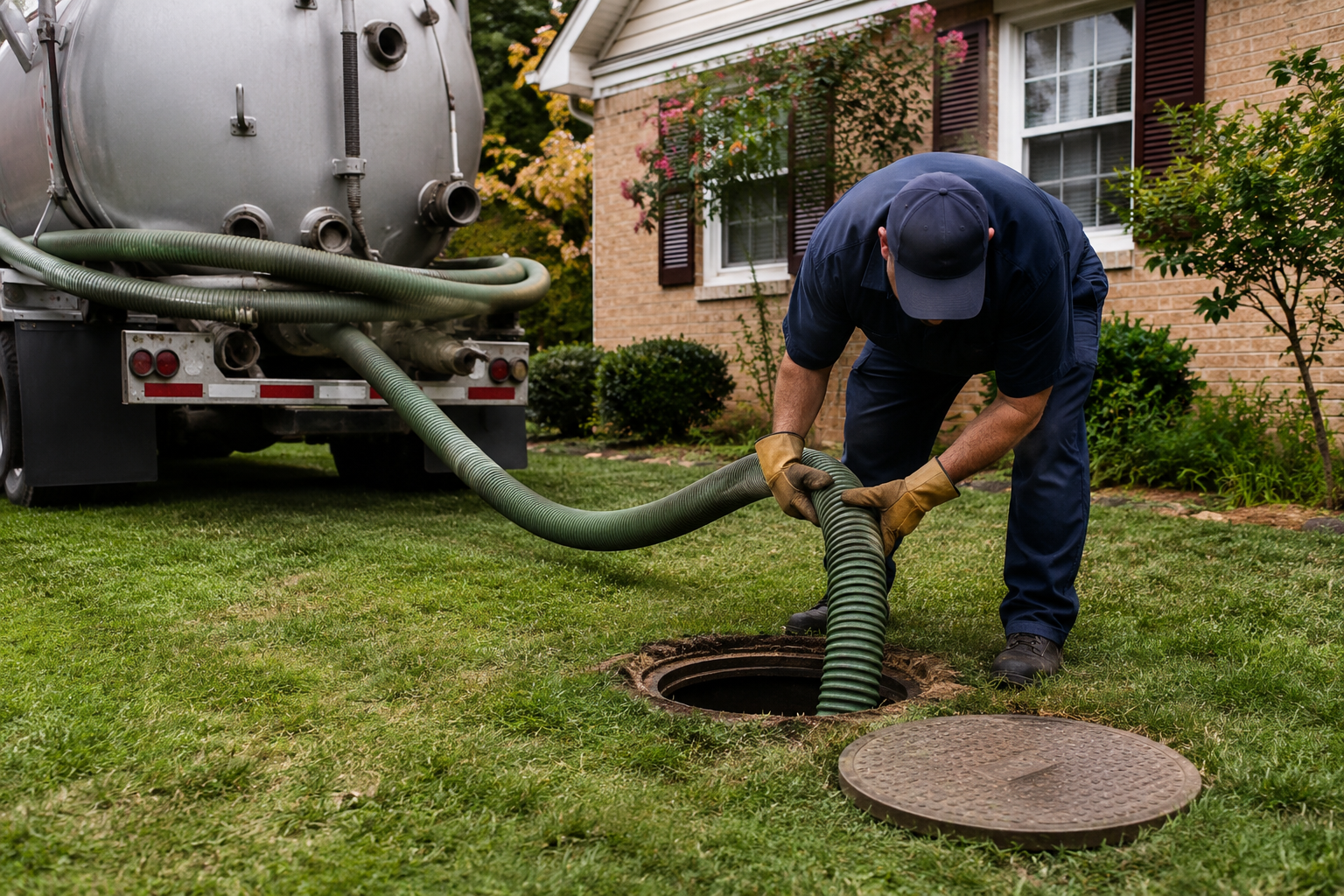
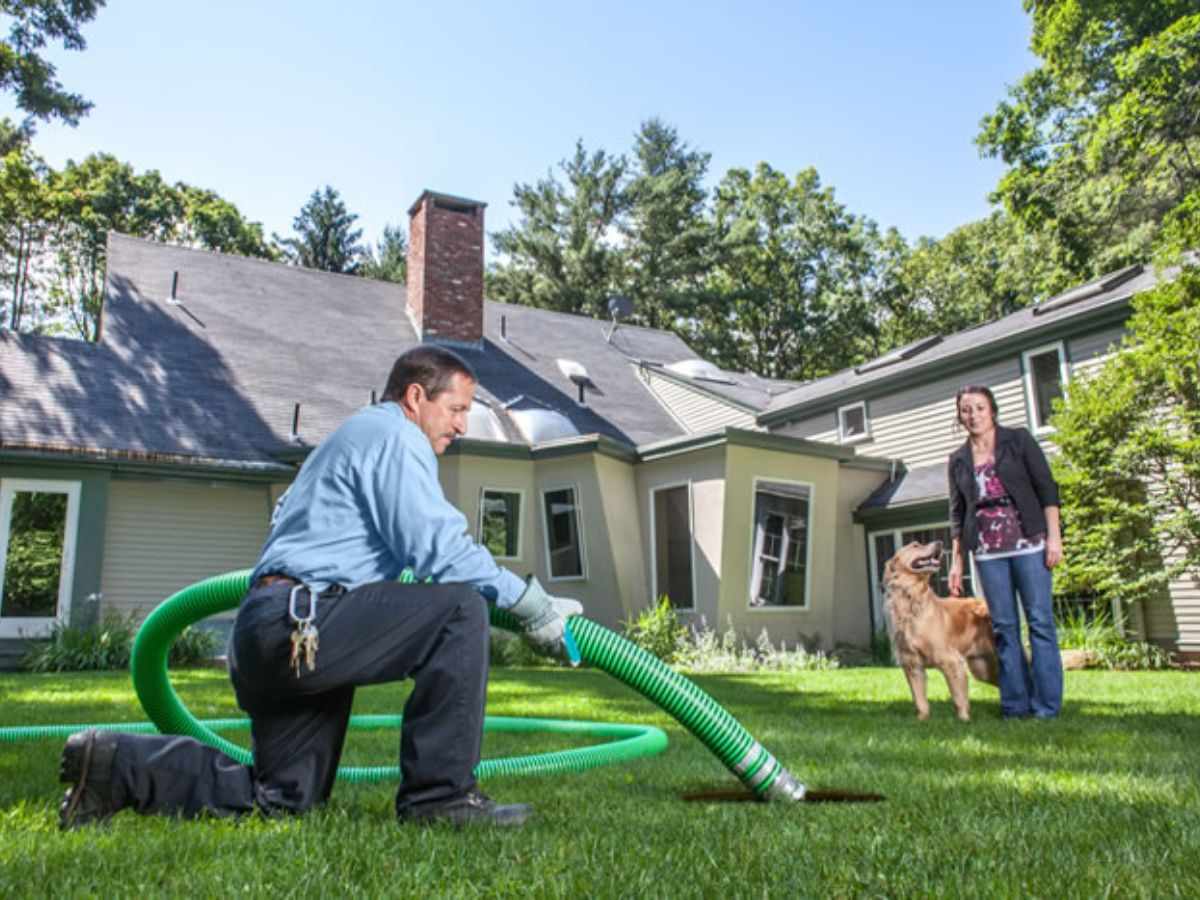
Picture a technician popping open the access lids and looking at what's actually inside the tank, not just the surface. They check the layers, the pipes, the filter if there is one, and sometimes the drainfield too.
What usually happens during a visit:
Sludge, scum, and liquid levels get measured
The tank structure gets checked for cracks or wear
Inlet and outlet pipes get inspected
The filter gets pulled and looked at
The yard around the drainfield gets a quick walk-through
None of this is complicated. What's complicated is when homeowners skip it for years and then act surprised when something backs up.
Why Does This Even Matter?
Here's the thing nobody tells people: septic tanks don't warn you before they fail. There's no check-engine light. Slow drains, a weird smell, soggy grass near the tank — by the time any of that shows up, the problem's already been brewing a while.
Regular inspections catch stuff early, back when it's cheap and easy to fix. Skip them, and small issues turn into expensive ones. That's not a scare tactic, that's just how these systems work.
How Does an Inspection Decide If Pumping Is Needed?
Three things matter most: sludge, scum, and liquid level. Everything else is secondary.
How Do They Check Sludge?
Sludge is the heavy stuff that sinks to the bottom. A technician lowers a probe, sometimes called a sludge judge, down through the tank to feel where the solid layer starts.
What usually works well is a simple rule of thumb: once sludge eats up a big chunk of the tank's depth, there's less room for wastewater to actually get treated. That's when pumping moves up the priority list.
Why Bother With Scum?
Scum floats. It's grease, oils, and lighter waste sitting on top. A thin layer is normal. A thick one is a problem, because it can block the tank from separating solids properly.
Techs measure it the same way as sludge. If scum creeps too close to the outlet pipe, that's a red flag. It means solids are close to escaping into the drainfield, which is exactly where you don't want them.
What Does the Liquid Level Actually Show?
This is the water sitting between sludge and scum. In a healthy tank, it sits right around the outlet pipe. If it's higher than that, something's off — could be a clog, could be a struggling drainfield, could just be a tank that's too full.
How Do They Figure Out Remaining Capacity?
Tank capacity is just the total volume the tank can hold. Subtract sludge and scum thickness from the total depth, and that's what's left for actual wastewater treatment.
Once that leftover space gets tight, pumping stops being optional. This is really the number that decides everything.
What Else Might Turn Up During an Inspection?
This is where things get interesting, because a full tank isn't the only thing that goes wrong.
Cracks or Structural Damage
Older concrete or steel tanks age like anything else. Cracks let groundwater sneak in or let effluent leak out. Neither is good.
Blocked or Damaged Pipes
Roots, grease, random debris — pipes get clogged more often than people expect. A blocked outlet pipe can send wastewater right back toward the house, which is about as unpleasant as it sounds.
Filter Trouble
Filters catch solids before they head to the drainfield. They also clog. A clogged filter can cause slow drains even when the tank itself isn't close to full, which throws a lot of homeowners off.
Drainfield Red Flags
Standing water, unusually green patches of grass, spongy soil — these usually mean the drainfield is getting more liquid than it can handle. Sometimes that traces back to a tank overdue for pumping.
Backup or Leakage
Effluent near the tank lid or backups inside the house mean the situation needs attention right away, not next month. It also helps to understand septic tank smells and how to fix it, since odor is often one of the first things people notice before anything more serious shows up.
How Often Should Inspections Happen?
Here's a personal judgement worth saying plainly: fixed schedules are overrated. A lot of advice online pushes the same "every X years" line regardless of household size or usage, and that's just not how these systems behave.
Tank size, number of people in the house, water habits, system age — all of it changes how fast sludge and scum build up. A household of two with a big tank moves at a completely different pace than a family of six on a smaller system. One to three years is a common range, but the real answer depends on actual conditions, not a calendar.
What Happens If Pumping Gets Put Off?
This is where things often go wrong. What usually fails is procrastination — people push pumping back a season, then another, until:
Solids sneak into the drainfield and cause clogs that are a pain to fix
Drains slow down because there's just less room left in the tank
In bad cases, the drainfield gets damaged enough to need replacement
Odors get worse, sometimes with effluent showing up at the surface
None of this is guaranteed to happen overnight, but waiting too long rarely ends well.
What Should Homeowners Do After an Inspection?
Most inspections end with a sludge and scum measurements, liquid level, and a list of anything else that needs attention. From there:
Book pumping if levels are getting close to the limit
Fix any pipe, filter, or structural issues found
Watch water usage if it's putting extra strain on the system
Keep the inspection report somewhere it won't get lost
Ask for a realistic timeline on the next check-up, not a generic one
Doing these things consistently is what actually keeps a system running well. Skipping them is what usually leads to bigger repairs down the road.
Frequently Asked Questions
How do you know if a septic tank needs pumping?
Sludge, scum, and liquid levels get measured and compared to the tank's total capacity. If there's not much room left, pumping gets recommended.
What's the difference between sludge and scum?
Sludge sinks and settles at the bottom. Scum floats on top. Both are solid waste, just at opposite ends of the tank.
Can an inspection catch problems besides a full tank?
Yes, and often does. Cracks, blocked pipes, clogged filters, drainfield stress, leaks — all fair game during a proper inspection.
How long does an inspection usually take?
Depends on how accessible the tank is and how complex the system is, but most get wrapped up in a single visit.
Does household size change how often pumping is needed? Generally, yes. More people usually means more wastewater, which usually means faster sludge and scum buildup.
What should happen if sludge levels come back high? Get pumping scheduled soon. Waiting just increases the odds of solids reaching the drainfield or the system backing up.
Conclusion
A septic inspection isn't complicated once someone actually explains it measure the layers, compare them to capacity, and decide if pumping makes sense. At Rooter Man Septic Tank Pumping, routine inspections can help homeowners stay ahead of potential problems rather than reacting to them. What usually fails is waiting for a bad smell or a slow drain to force the issue. Basing pumping decisions on real numbers instead of guesswork or a random schedule can help protect the system, the yard, and the budget. Staying ahead of maintenance is genuinely the easier path, even if it doesn't feel urgent right now.

Write a comment ...