
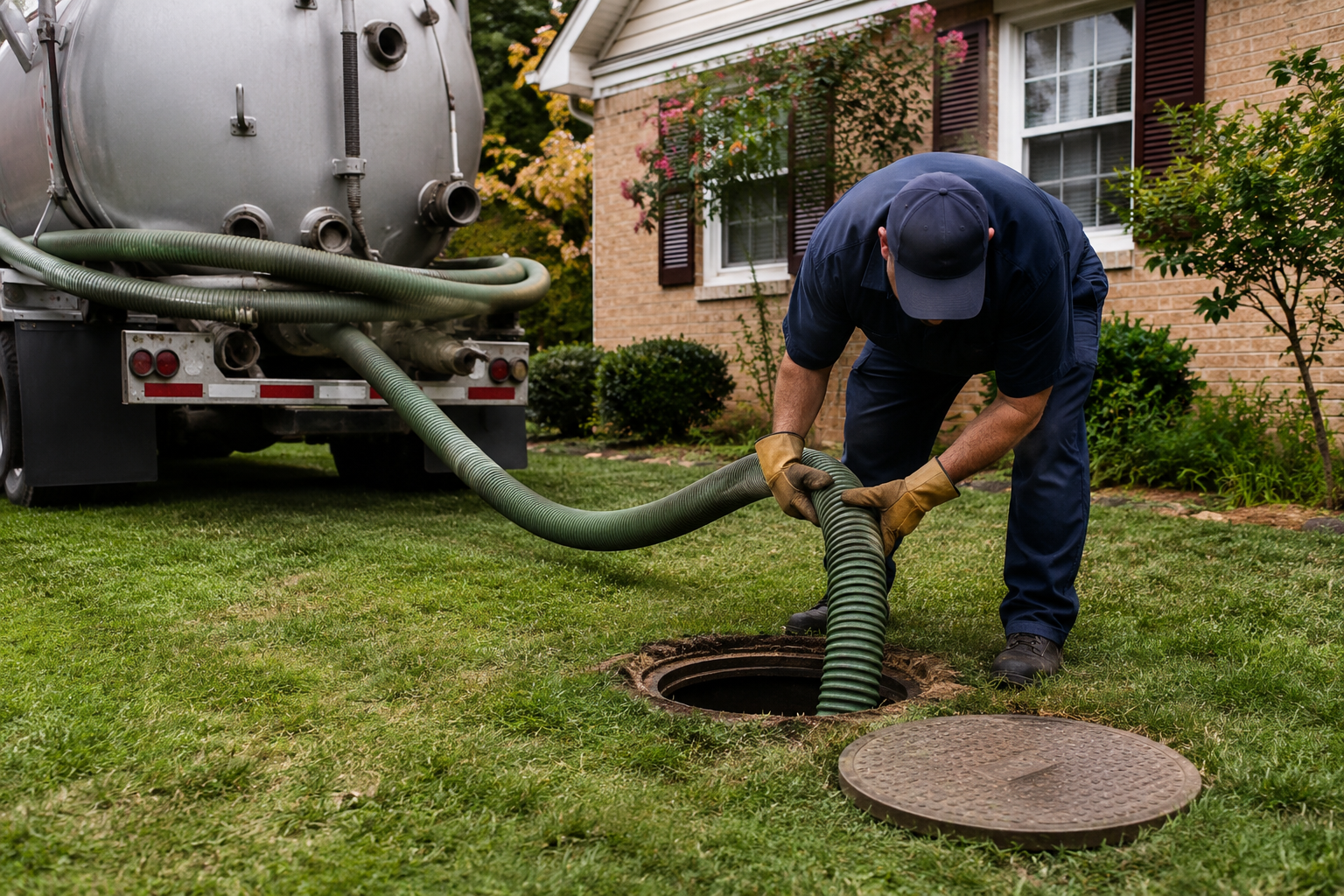
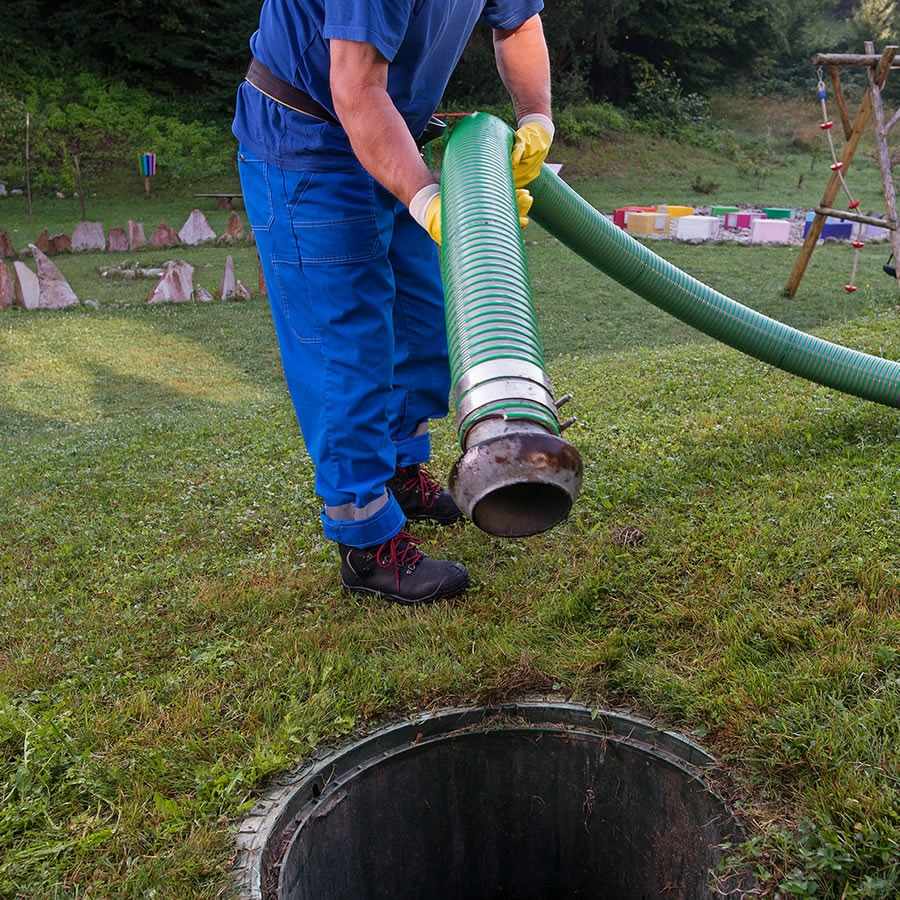
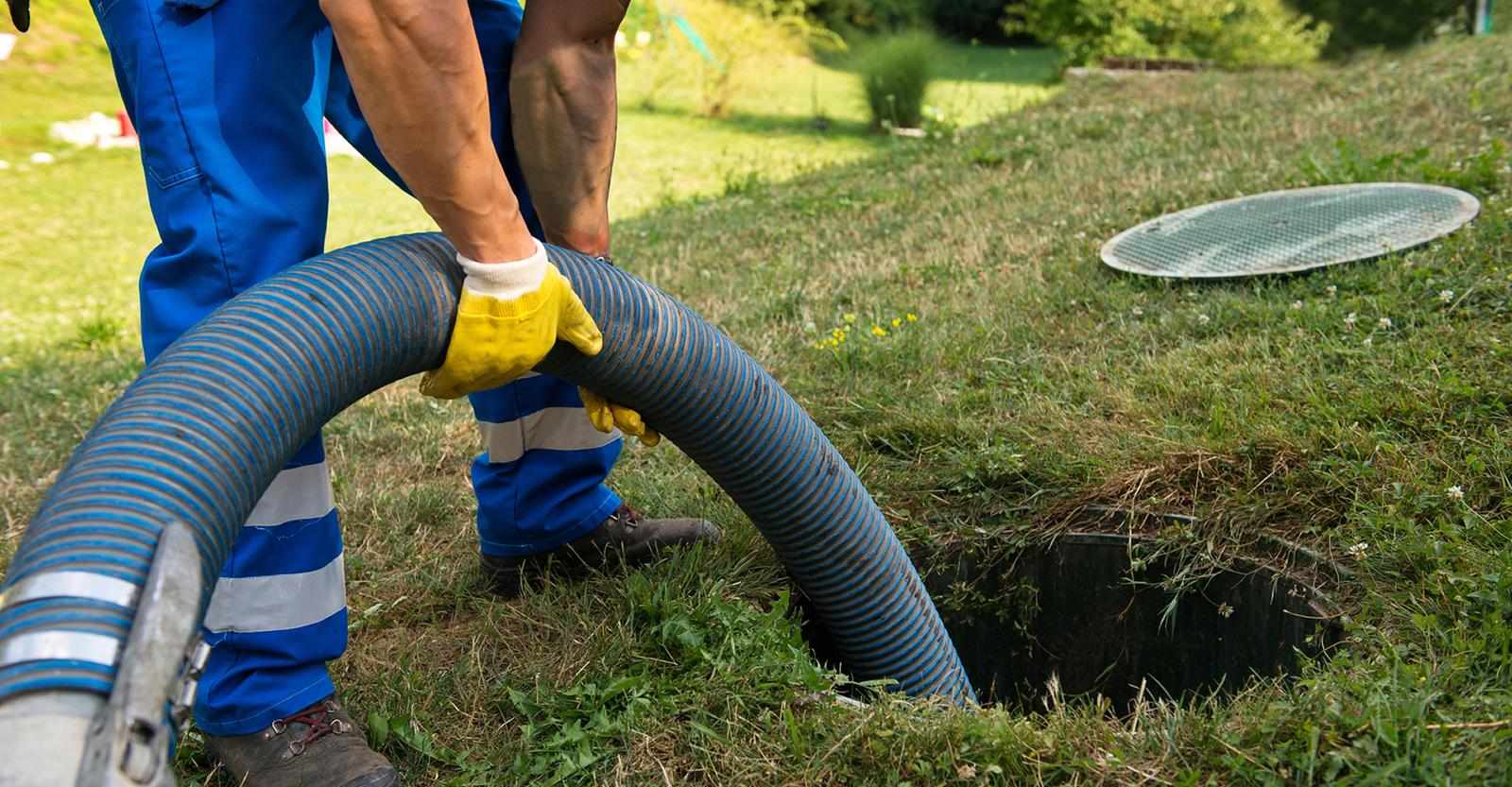
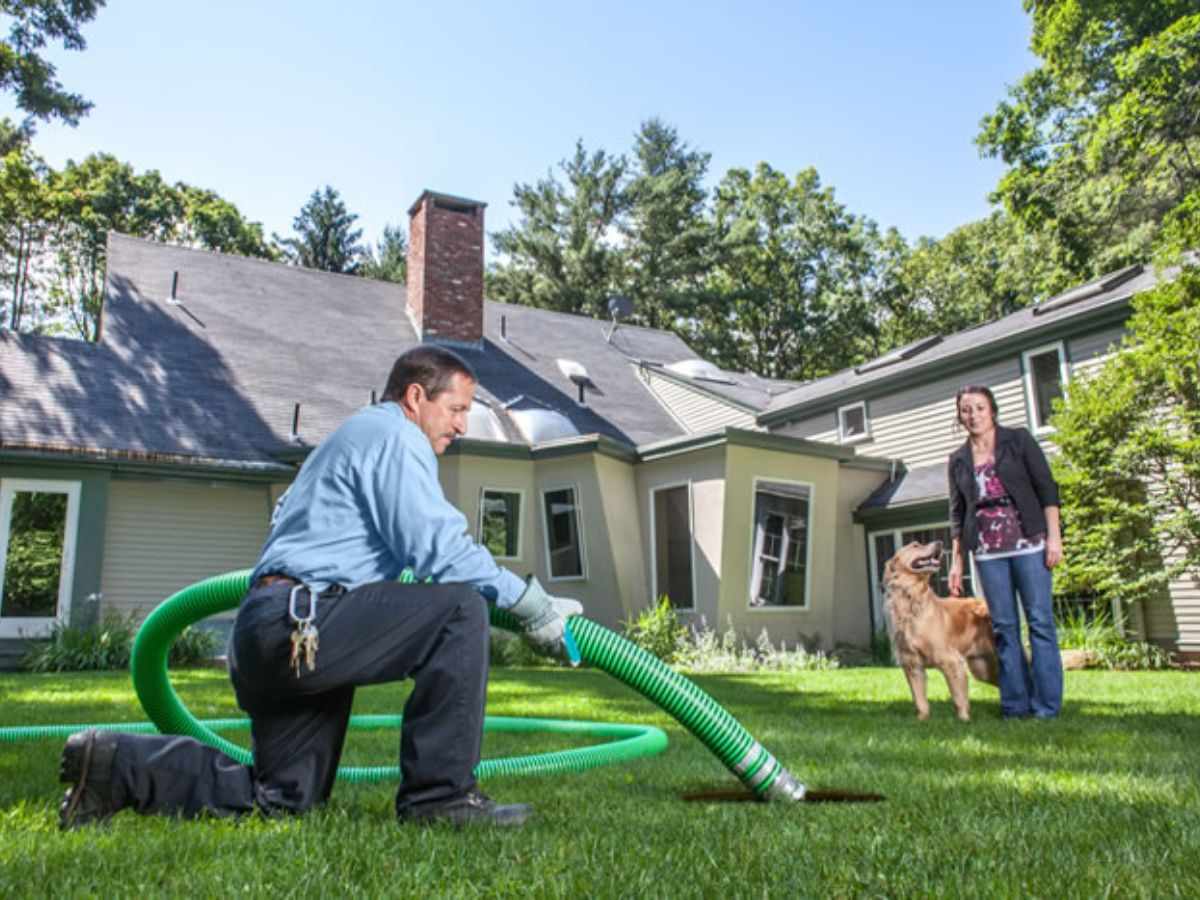
Septic systems are designed to handle wastewater quietly in the background, but they still need routine care to stay reliable. For many properties, septic pumping in West Covina becomes necessary when solid waste builds up inside the tank and starts to affect normal wastewater flow. Knowing when pumping is needed helps prevent avoidable system stress.
Over time, sludge settles at the bottom of the septic tank while oils rise to the top. If these layers grow too thick, they reduce the space needed for liquid wastewater to move out properly. This can lead to slow drains, uneven flow, or pressure on the drain field.
Common Signs Septic Pumping Is Needed
Drains throughout the property are slow
Gurgling sounds come from pipes
Water backs up in sinks or toilets
Soil near the tank feels damp or soft
These signs often point to solid buildup rather than indoor plumbing issues.
How Often Septic Pumping Is Usually Required
Average households: every 3–4 years
Larger families or higher water use: every 1–2 years
Commercial properties: based on usage and tank size
Regular septic pumping supports steady wastewater movement and helps the system work as intended.
Why Timing Matters
Delaying pumping allows solids to move closer to the outlet pipe. Once this happens, waste can enter the drain field and reduce its ability to absorb water. Routine pumping lowers this risk and supports long-term septic system function.
For properties in West Covina, keeping up with septic pumping is a simple step that helps maintain proper wastewater handling and avoids unnecessary system strain.

Write a comment ...