
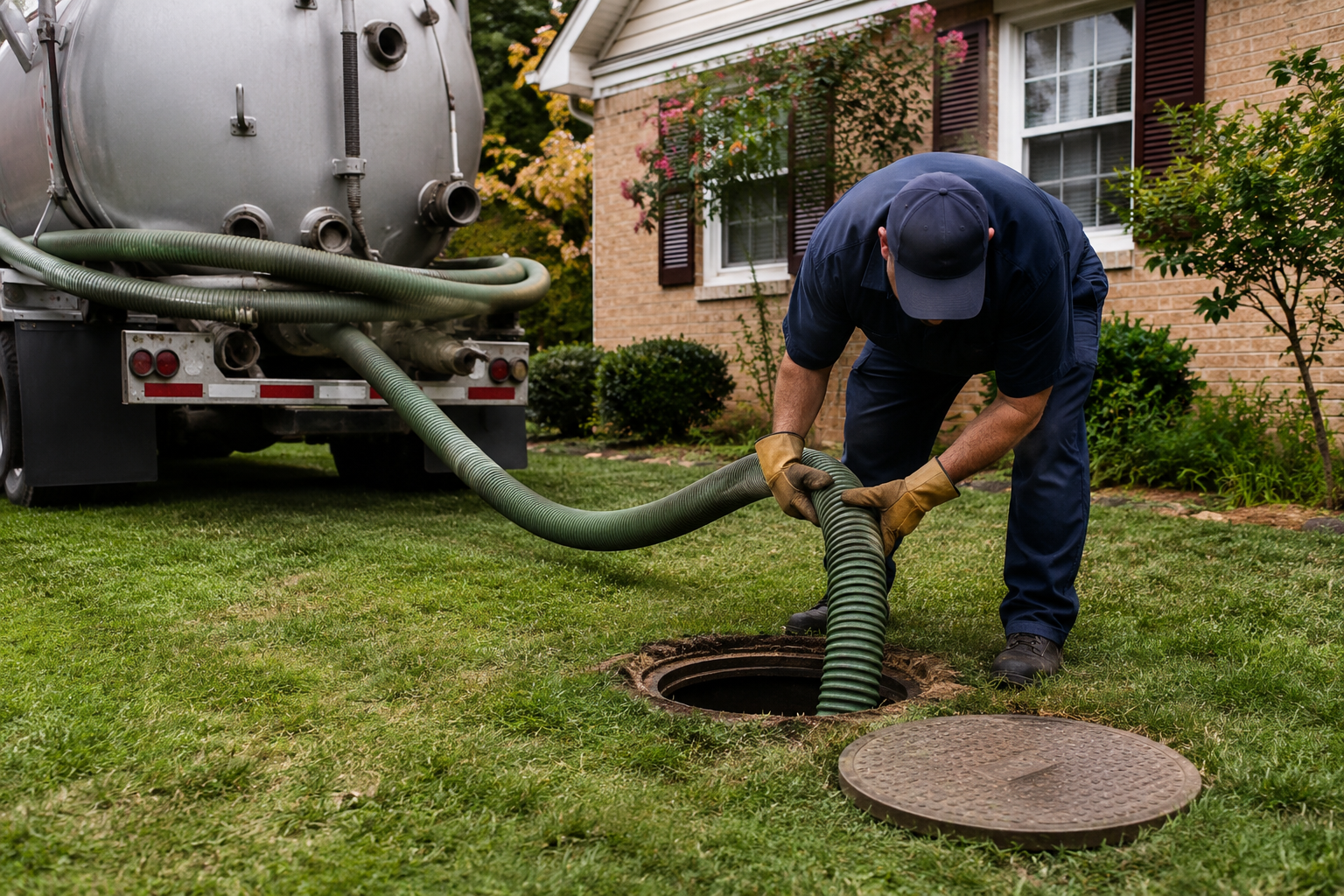
Septic systems are designed to handle a steady amount of wastewater each day. When that balance is disrupted, system overload can occur. Septic pumping in Chatsworth is one of the most effective ways to prevent this problem and keep household wastewater moving as intended.
What Causes Septic System Overload
System overload happens when a septic tank fills beyond its working capacity. This is usually caused by:
Built-up sludge and solid waste
High daily water usage
Delayed septic tank cleaning
Limited tank capacity for the property size
As the tank fills, there is less space for wastewater to separate properly, which puts pressure on pipes and drainage areas.
How Septic Pumping Reduces Strain on the System
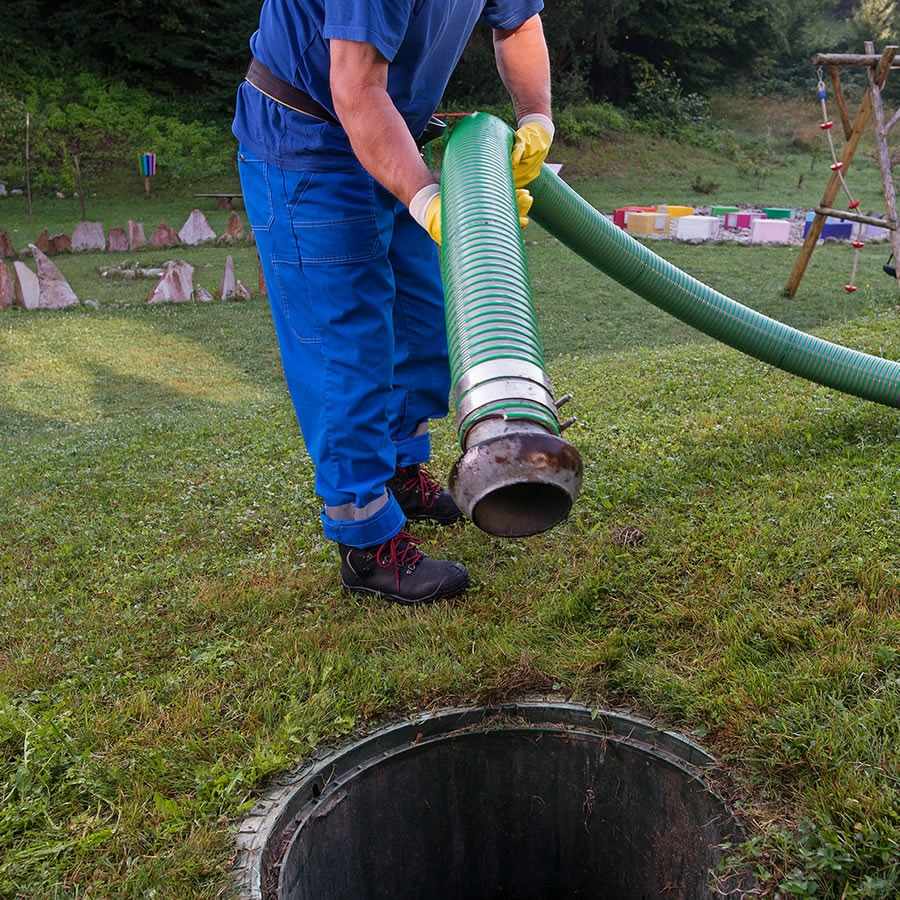
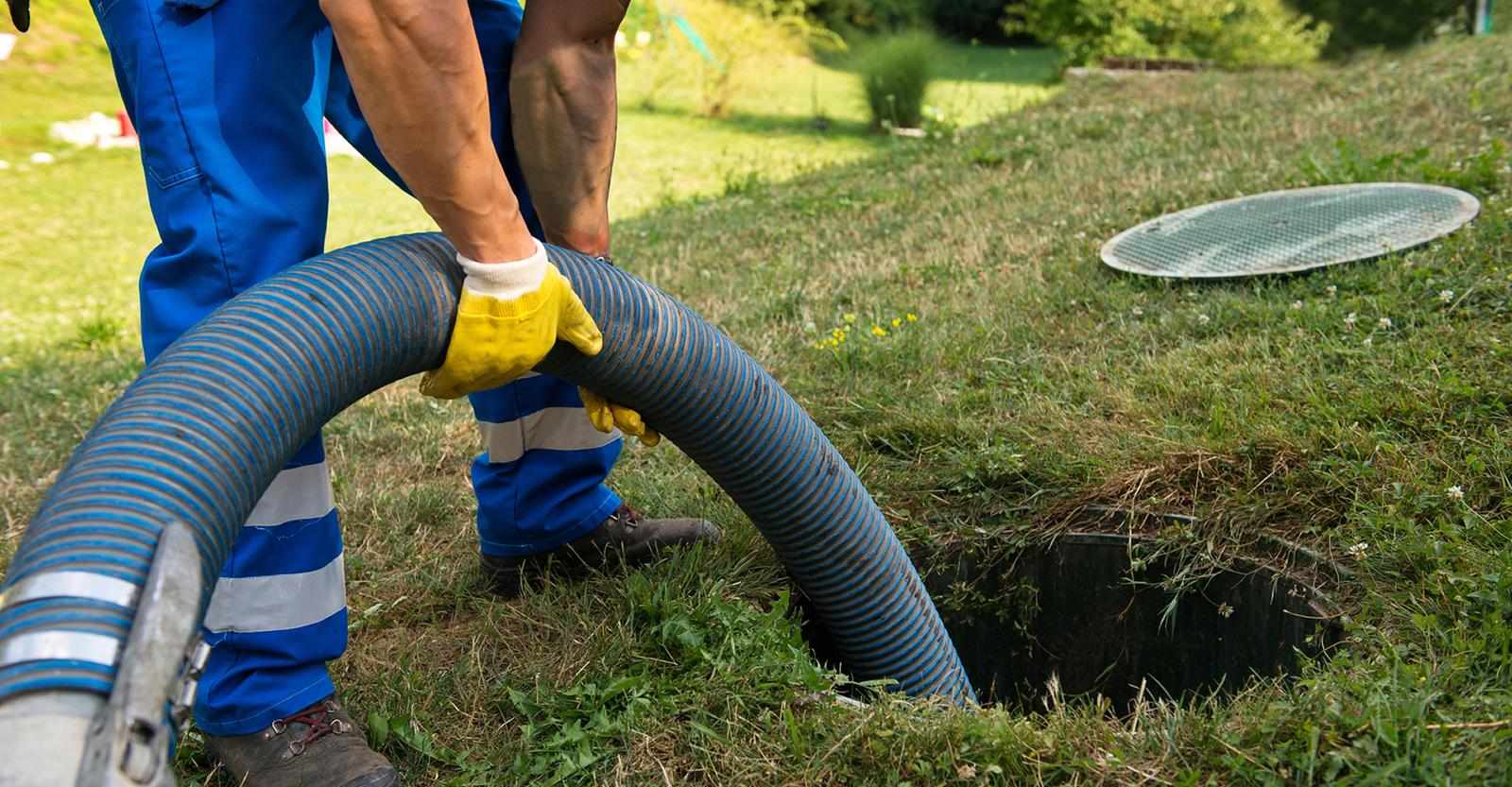
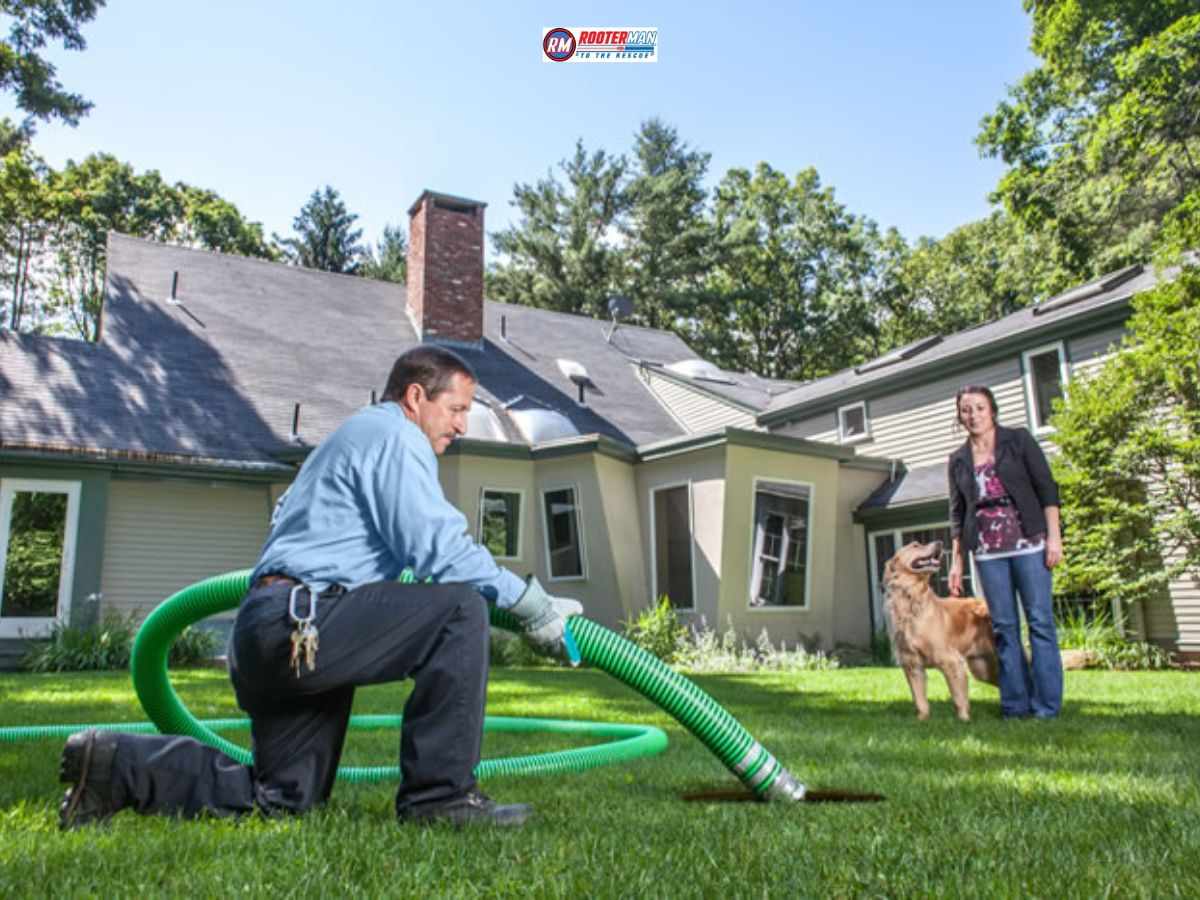
Regular septic pumping removes accumulated solids from the tank. This restores usable space and allows wastewater to flow through the system without resistance. With proper pumping:
Liquids move freely to the drain field
Solids remain contained in the tank
Pipes experience less pressure
Drainage stays consistent
This balance helps the system manage daily water use without stress.
Why Routine Pumping Matters for Homes in Chatsworth
Homes in Chatsworth often experience varying water demand, especially in larger households. Without scheduled pumping, tanks can reach capacity faster than expected. Routine septic pumping supports stable wastewater handling and reduces the risk of slow drains or surface pooling.
Simple Steps to Support Septic System Capacity
In addition to pumping, homeowners can:
Spread out water use during the day
Repair leaks promptly
Avoid flushing non-degradable items
Together, these steps help prevent system overload and support long-term septic performance.
Regular septic pumping remains one of the simplest ways to keep septic systems working smoothly and reliably.

Write a comment ...