
Most people don’t think much about their septic system until something goes wrong. It’s hidden underground, so it’s easy to forget. But skipping regular septic cleaning is one of those things that feels “fine” at first… and then suddenly becomes a big, expensive mess.
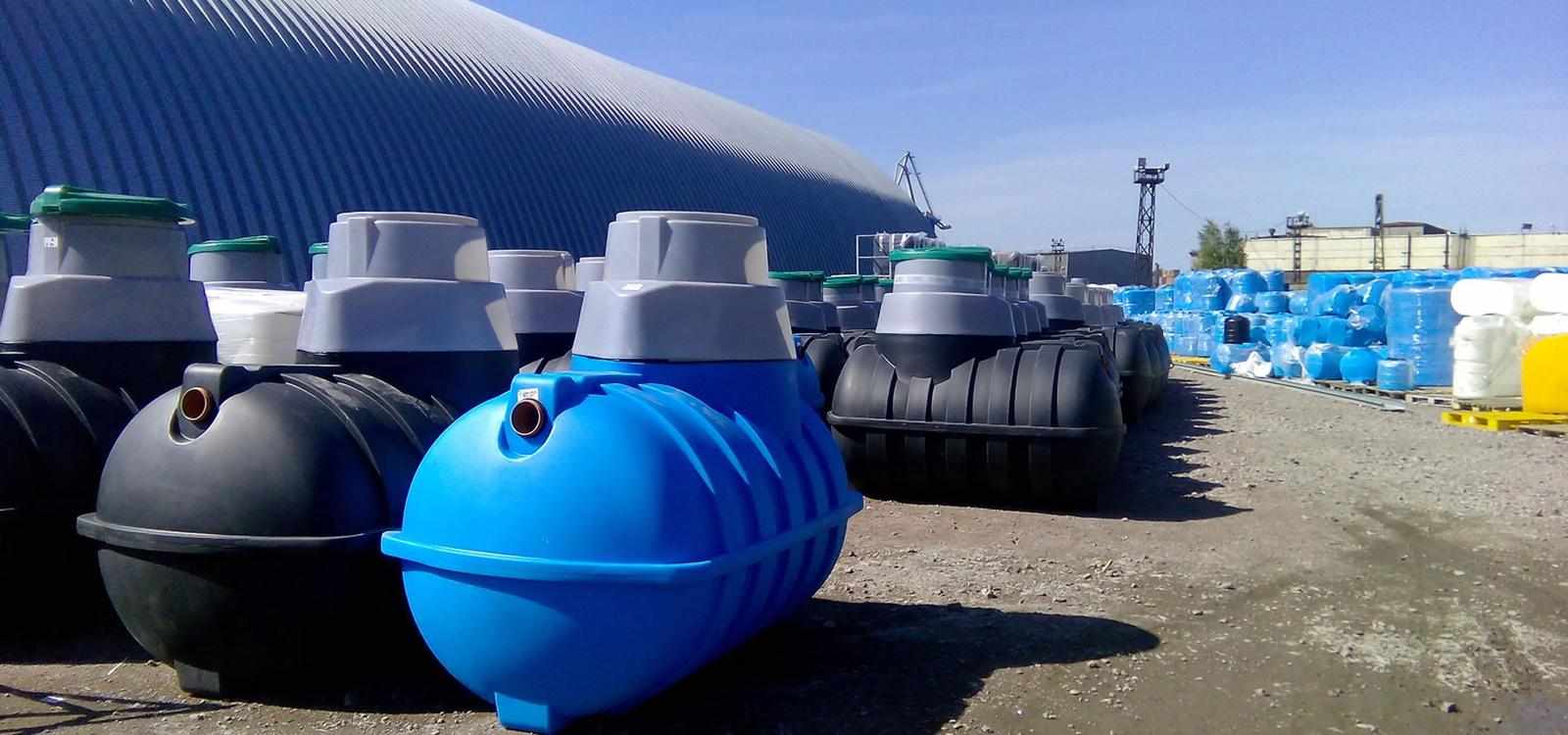
A septic tank is basically your home’s underground waste storage system. Everything from toilets, sinks, and showers goes into it. When it’s not cleaned on time, it slowly fills up and starts failing.
If you’re searching for reliable septic pumping in Chatsworth, the timing of maintenance really matters. Waiting too long usually doesn’t save money—it just delays a bigger problem.
The U.S. Environmental Protection Agency (EPA) recommends septic systems be inspected every 1–3 years and pumped every 3–5 years depending on usage. That’s not a random number—it’s based on how fast sludge builds up in real homes.
So what actually happens when cleaning gets skipped? Let’s break it down in a simple way.
What a septic system is doing all the time?
A septic tank quietly separates waste into three layers:
Heavy solids at the bottom
Liquid in the middle
Oil and grease on top
Sounds simple, but here’s the catch—solids don’t disappear. They keep building up. The tank is not magic. It’s more like a storage box that slowly fills.
Once it gets too full, everything starts to go wrong.
What usually works (and keeps things smooth)?
Regular septic cleaning is not complicated. Most homes that follow basic maintenance have very few issues.
What usually works:
Pumping every few years (based on usage)
Not flushing wipes or thick waste
Using water in normal amounts, not overloading the system
Keeping a simple schedule instead of guessing
Homes that follow this usually have:
No smell
No backups
No surprise repair bills
It’s boring maintenance—but boring is actually good here.
What often fails when septic cleaning is skipped
Now the real problem starts when cleaning is ignored for too long. And honestly, this is where most people get caught off guard.
1. Slow drains that seem “normal” at first
It usually starts small. A sink takes a bit longer to drain. Then a shower. Then the toilet feels weak.
Many assume it’s just a pipe issue. It’s not. It’s often the tank getting full.
2. Bad smell that comes and goes
A full tank starts pushing gases back through drains and soil. The smell is not constant at first. It shows up randomly.
That’s why people ignore it… until it gets worse.
3. Backups inside the house
This is the point where things turn serious. Wastewater can come back through toilets or floor drains.
At this stage, there’s no “quick fix.” It becomes an emergency.
4. Drain field damage
This is the expensive part. When too many solids escape into the drain field, the soil gets clogged.
And once that area fails, repairs are painful and costly. In many cases, replacement is needed.
How a full septic tank actually affects daily life?
A full septic tank doesn’t just stay “outside the house problem.” It slowly enters daily routine.
Common effects:
Toilets flush slower or struggle
Bathroom drains gurgle
Washing machine drains back up
Yard becomes wet or soggy in patches
It feels like the whole house plumbing is “tired.”
And the worst part? It usually shows up at the worst time—like guests visiting or during heavy water use days.
Warning signs that people usually ignore
There are always early warnings. But they get ignored because they don’t feel urgent.
Watch for:
Multiple drains slowing down at the same time
Strange bubbling sounds in pipes
Smell near bathrooms or outside yard
Grass growing faster in one spot
Toilets needing extra flushes
Most system failures don’t happen suddenly. They are slow build-ups.
A simple truth about septic cleaning timing
There’s a common pattern seen in real homes:
Cleaning done on time → no issues
Cleaning delayed “just one more year” → small problems start
Cleaning ignored for years → major failure
The system doesn’t break instantly. It slowly loses efficiency until it gives up.
And the cost jump is huge between “maintenance” and “repair.”
Where Septic Cleaning Services actually make a difference
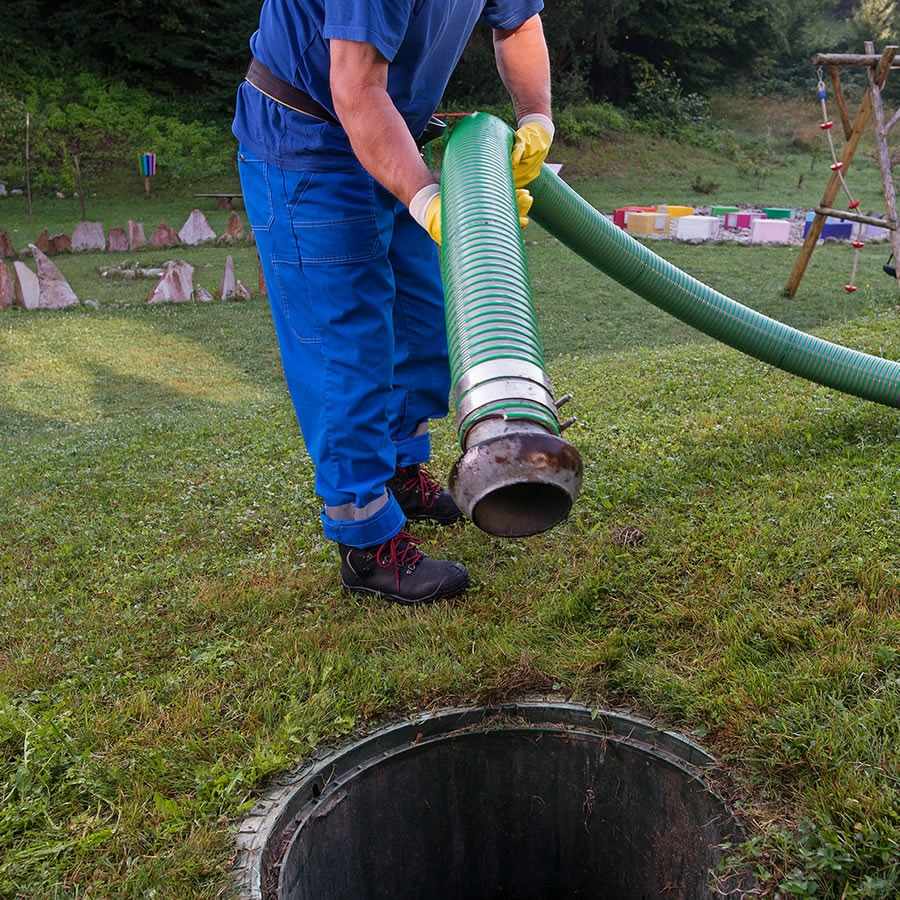
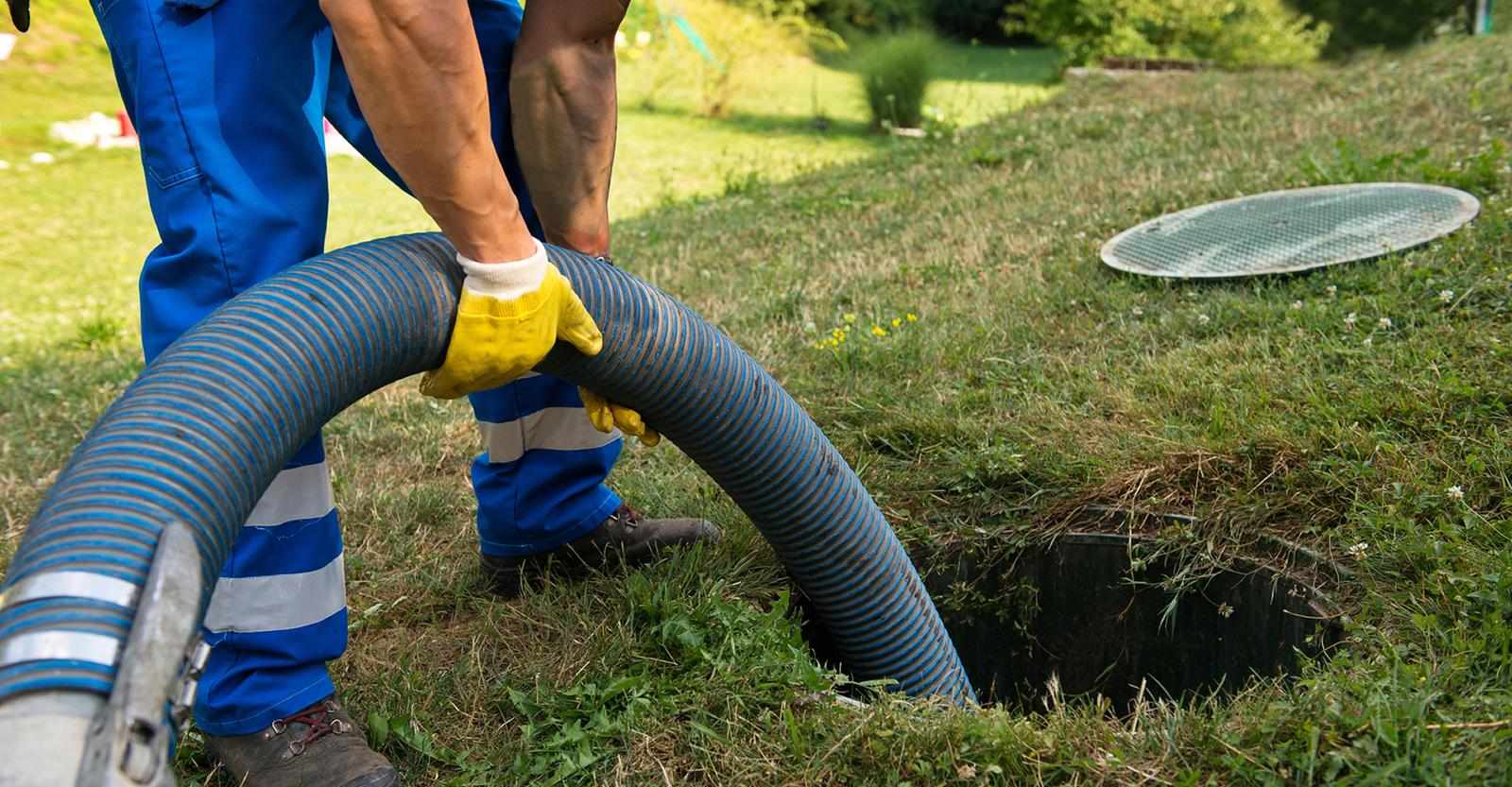
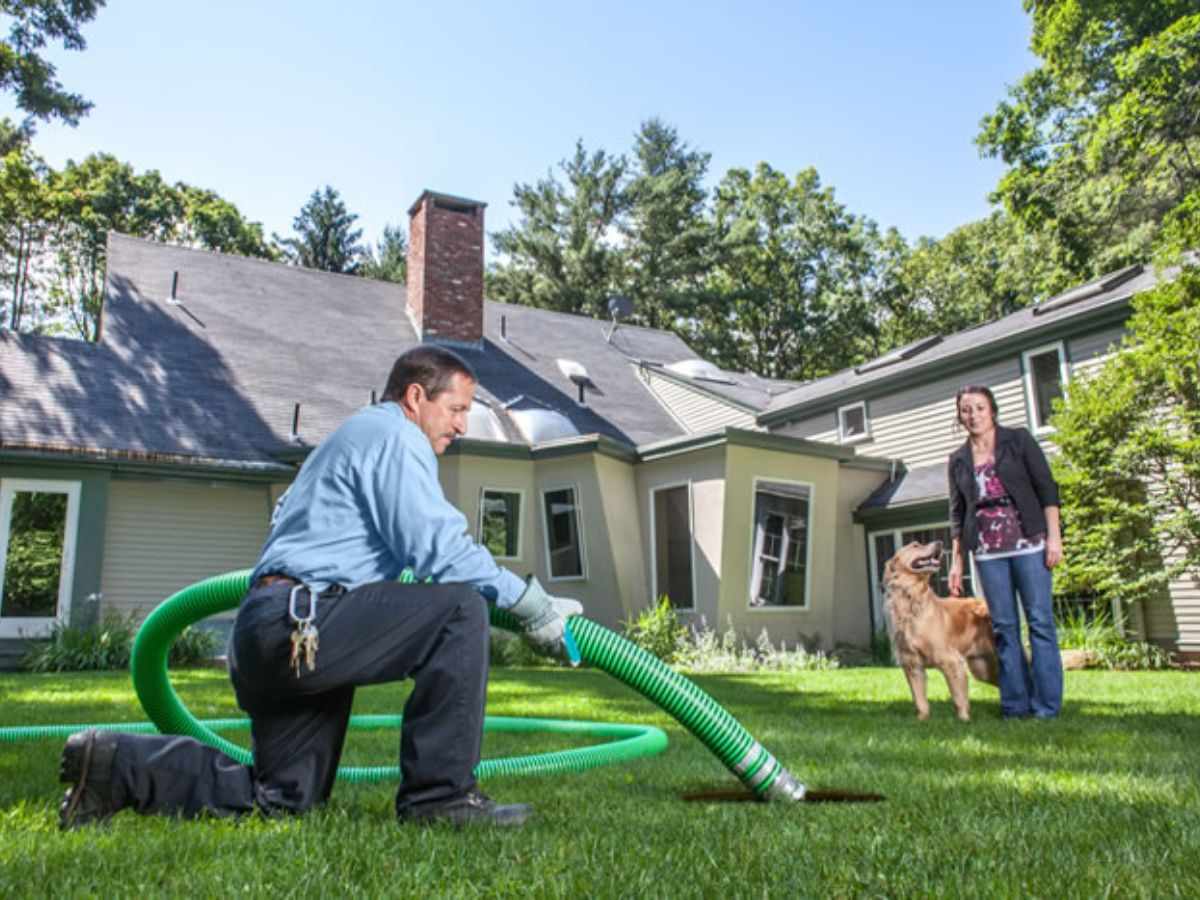
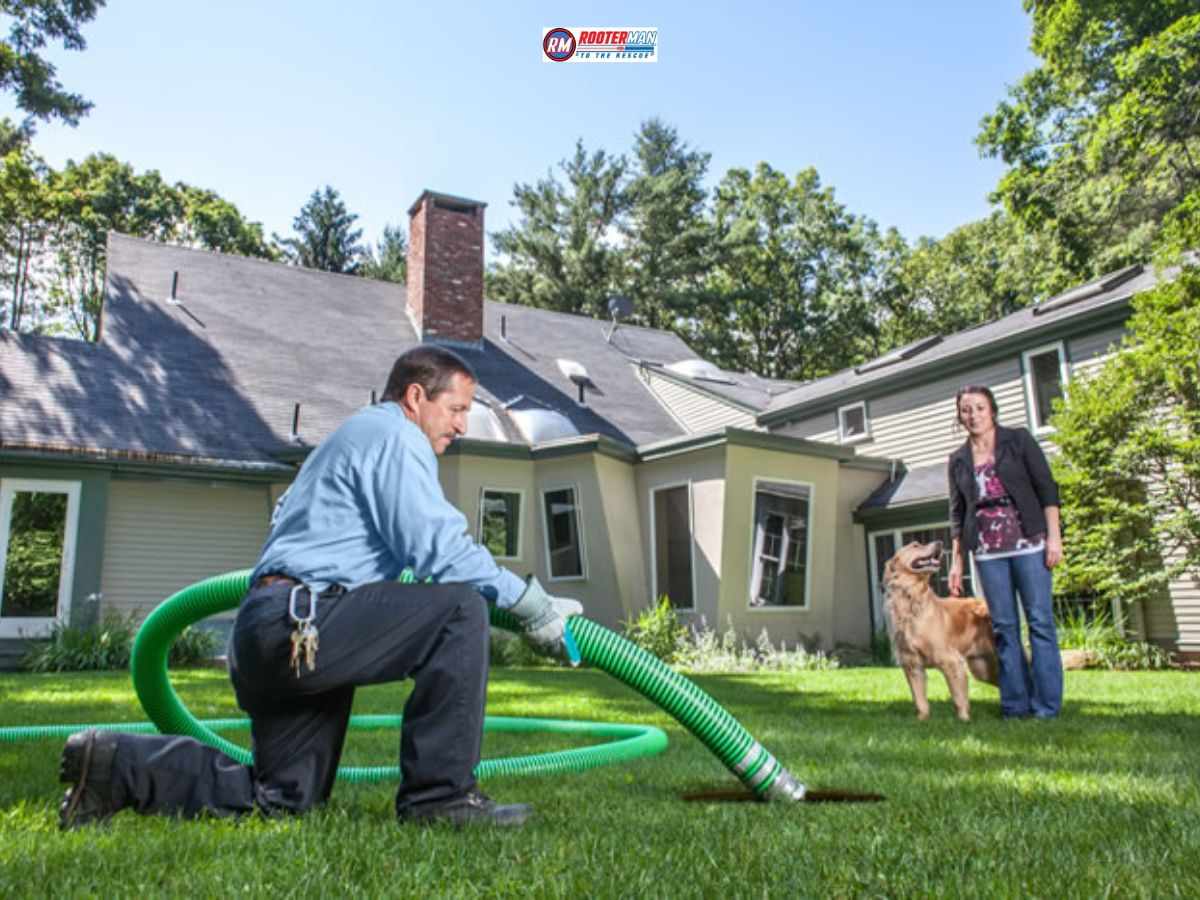
Professional septic cleaning services are not just about pumping waste. The real value is in catching problems early.
Good service usually:
Checks tank levels properly
Spots early blockages
Prevents drain field overload
Helps avoid emergency repairs
Most people think they can delay it safely. In reality, septic systems don’t give unlimited warning.
Real-life situation most homeowners face
A very common story goes like this:
Everything feels fine for years. No smell. No issues. So cleaning gets delayed.
Then one day:
Toilet backs up
Smell appears suddenly
Yard becomes wet
Emergency service is needed
What could have been a simple routine cleaning turns into a costly repair situation.
This pattern repeats more often than expected.
Expert opinion
Industry professionals often say a simple truth:
“Septic systems rarely fail without warning. They fail when warnings are ignored.”
That’s not theory. That’s what shows up in repair work again and again.
Final thoughts
Skipping septic cleaning usually feels harmless in the beginning. Nothing looks broken. Nothing feels urgent. That’s exactly why it gets ignored.
But septic systems don’t fail loudly at first. They fail slowly, then all at once.
What usually works is simple: regular cleaning, basic care, and not pushing the system beyond its limit.
What often fails is waiting “just a bit longer” every year until something breaks.
A fair judgement here—septic maintenance is one of those things where being slightly careful saves a lot of stress later. It’s not exciting work, but it prevents the kind of problems nobody wants to deal with.
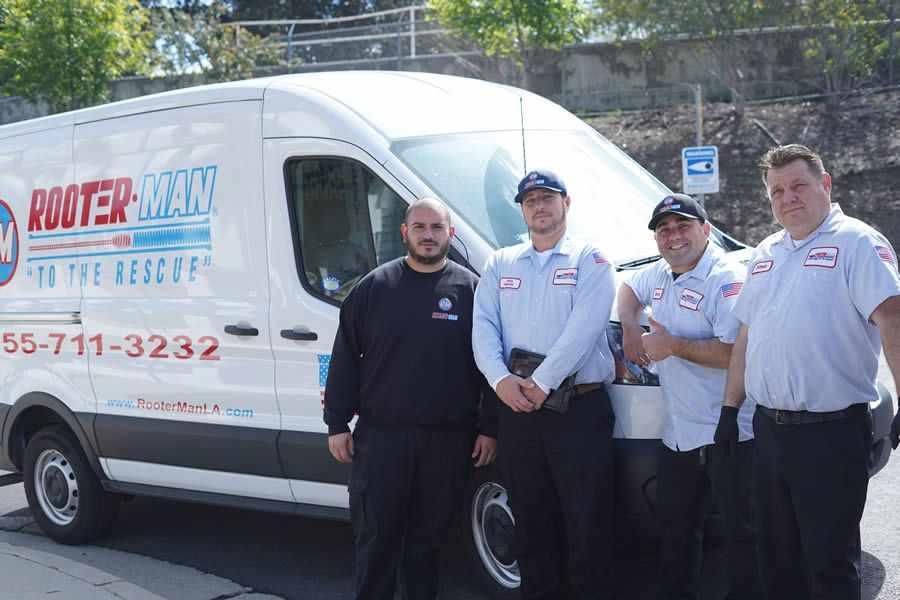
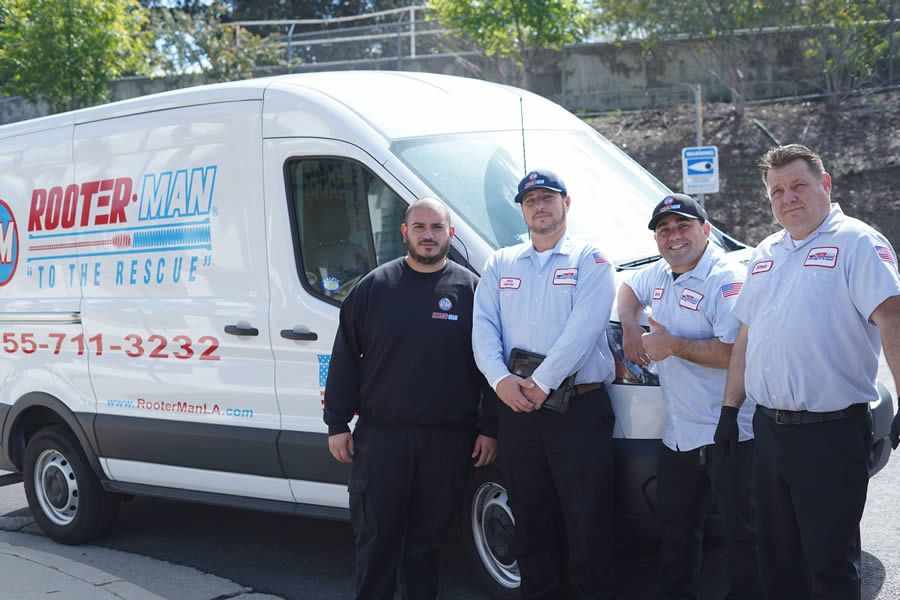
For long-term care and fewer surprises, services like Rooter Man Septic Tank Pumping are often what keep homes safe, clean, and stress-free without the drama of emergency repairs.

Write a comment ...